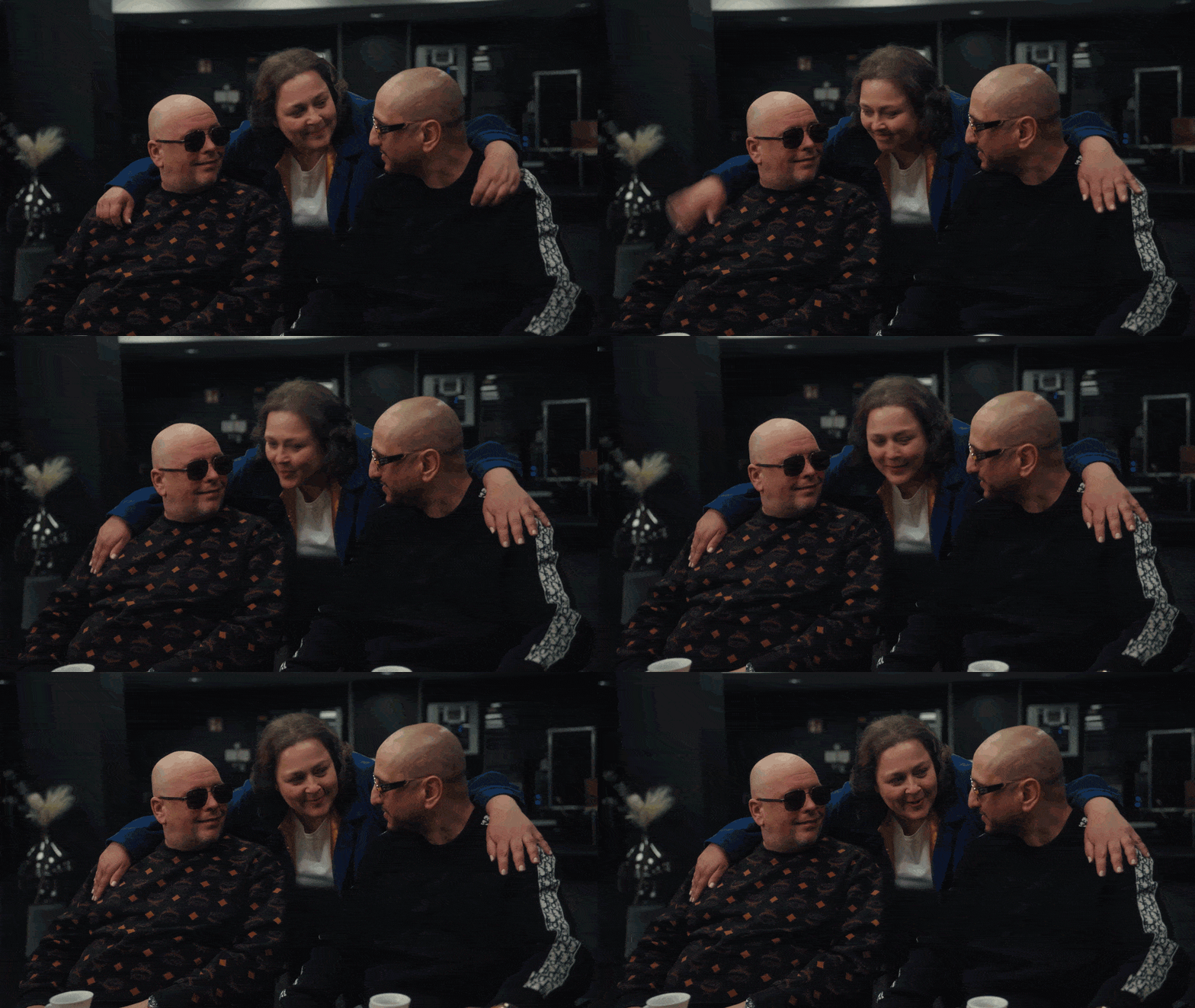
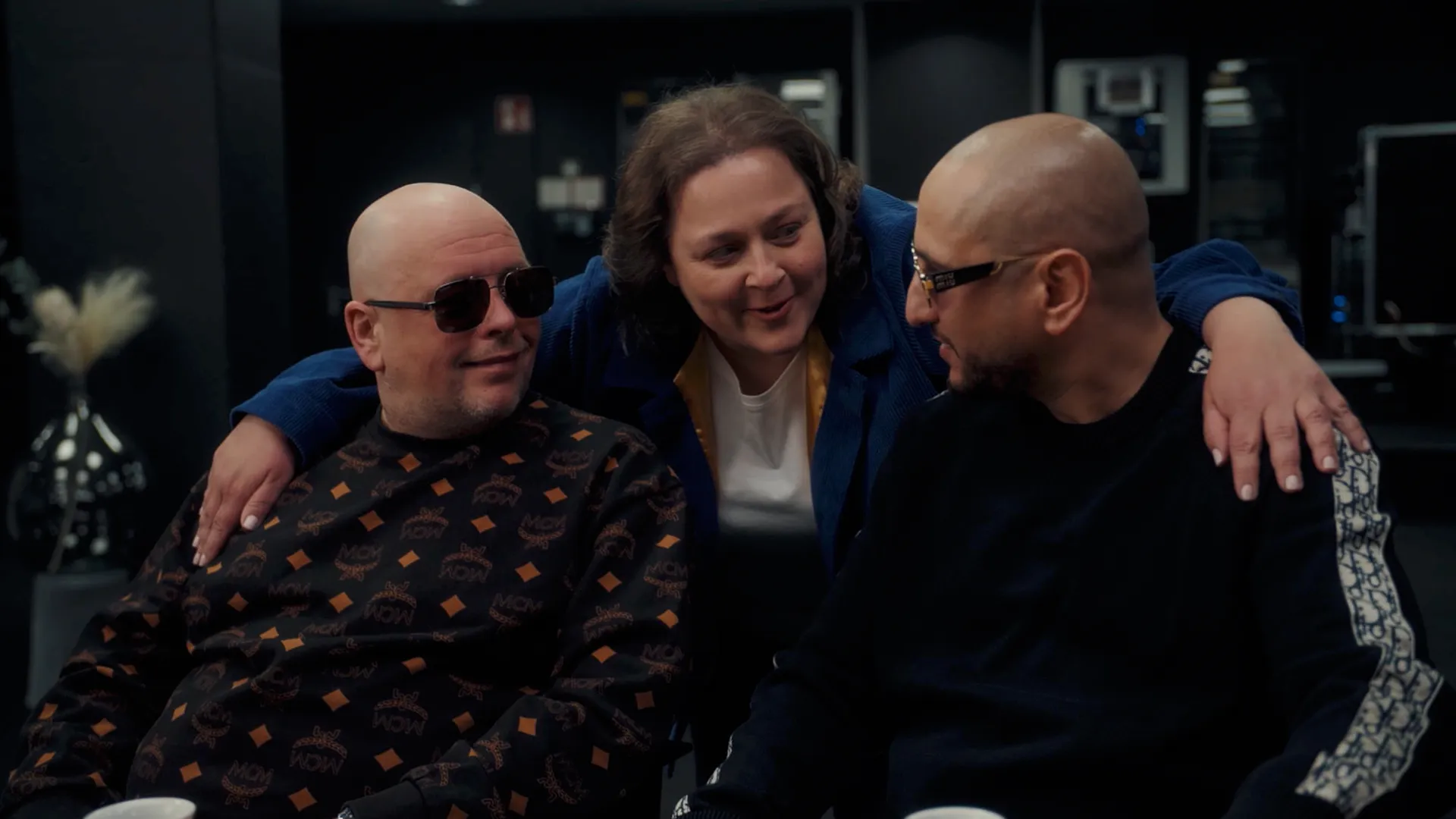
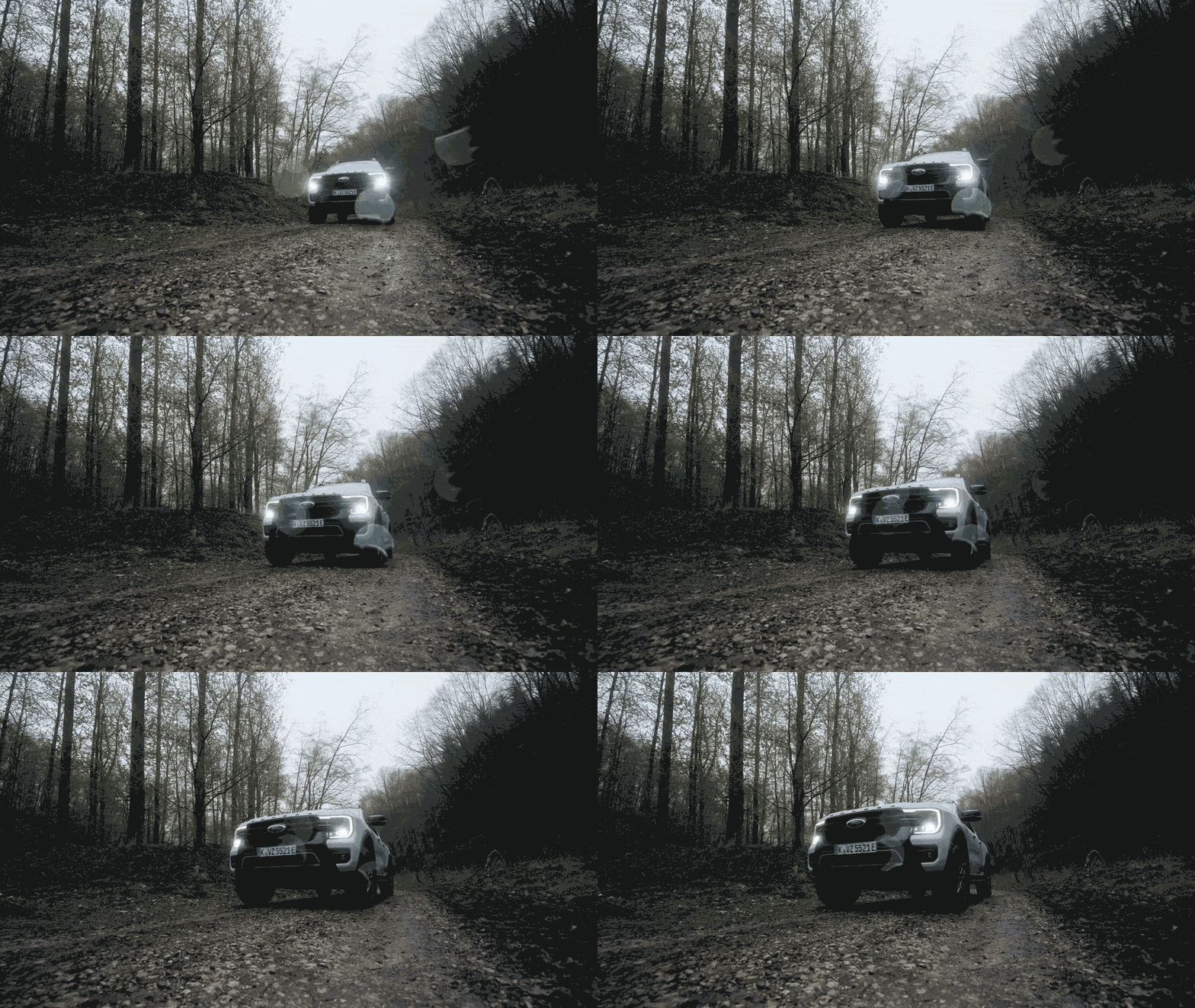
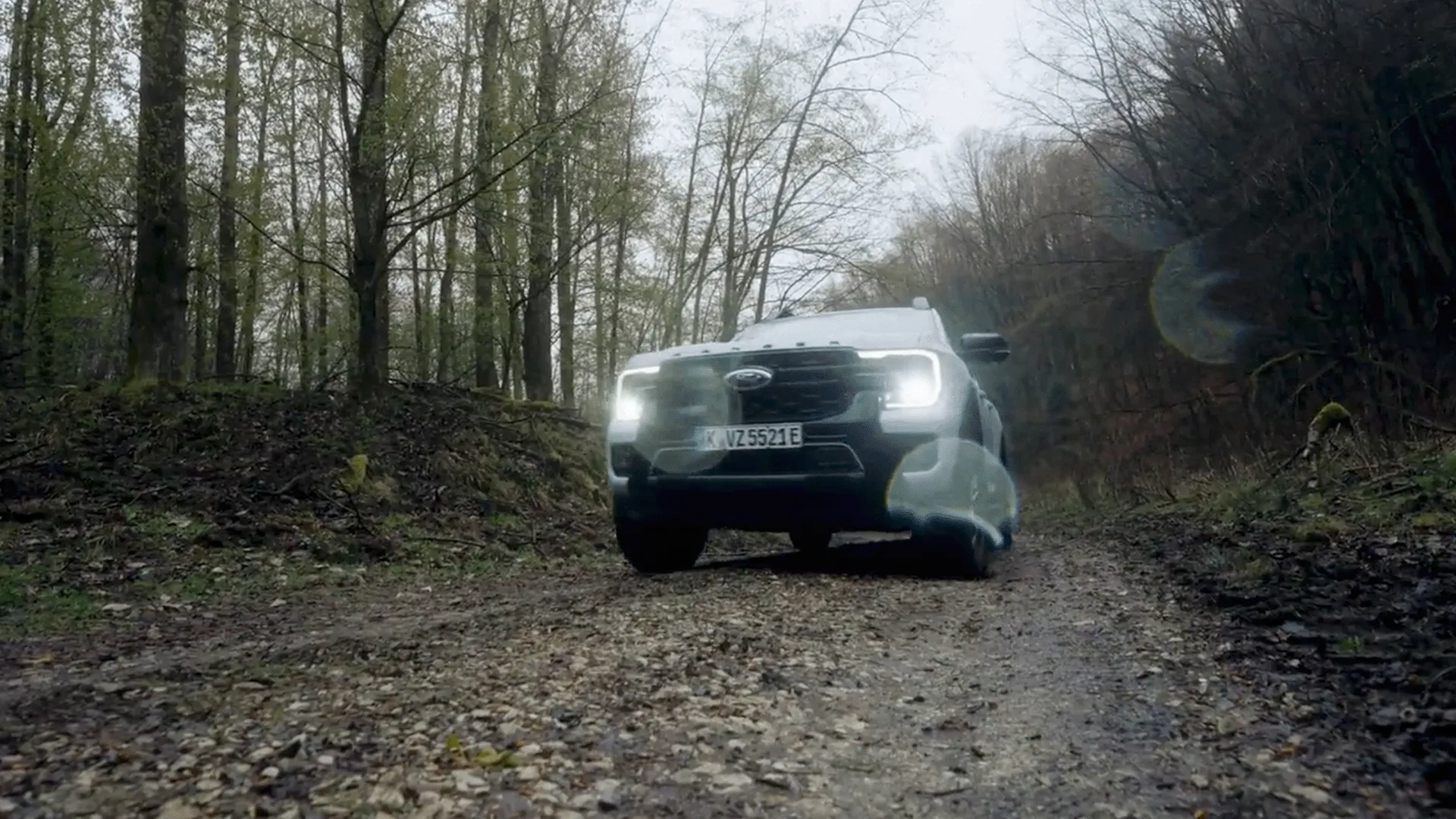
Krombacher - Social Game Show
Twelve concepts, four games, one island - feasibility decided before creative started.
Lorem ipsum dolor sit amet, consectetur adipiscing elit. Suspendisse varius enim in eros elementum tristique.
Heading
The Challenge
Krombacher wanted a creator-led format for social: games, played by creators, cut into long- and short-form assets. Three requirements, none of them optional - every game had to work inside the brand’s guardrails, be producible on location, and deliver inside a 30-second social format. Get any of them wrong in the concept phase and shoot day doesn’t give you the assets you need; it gives you footage you can’t use. The usual sequence makes that outcome likely: creative first, feasibility later, then loops between the idea and its execution.
The Orchestration
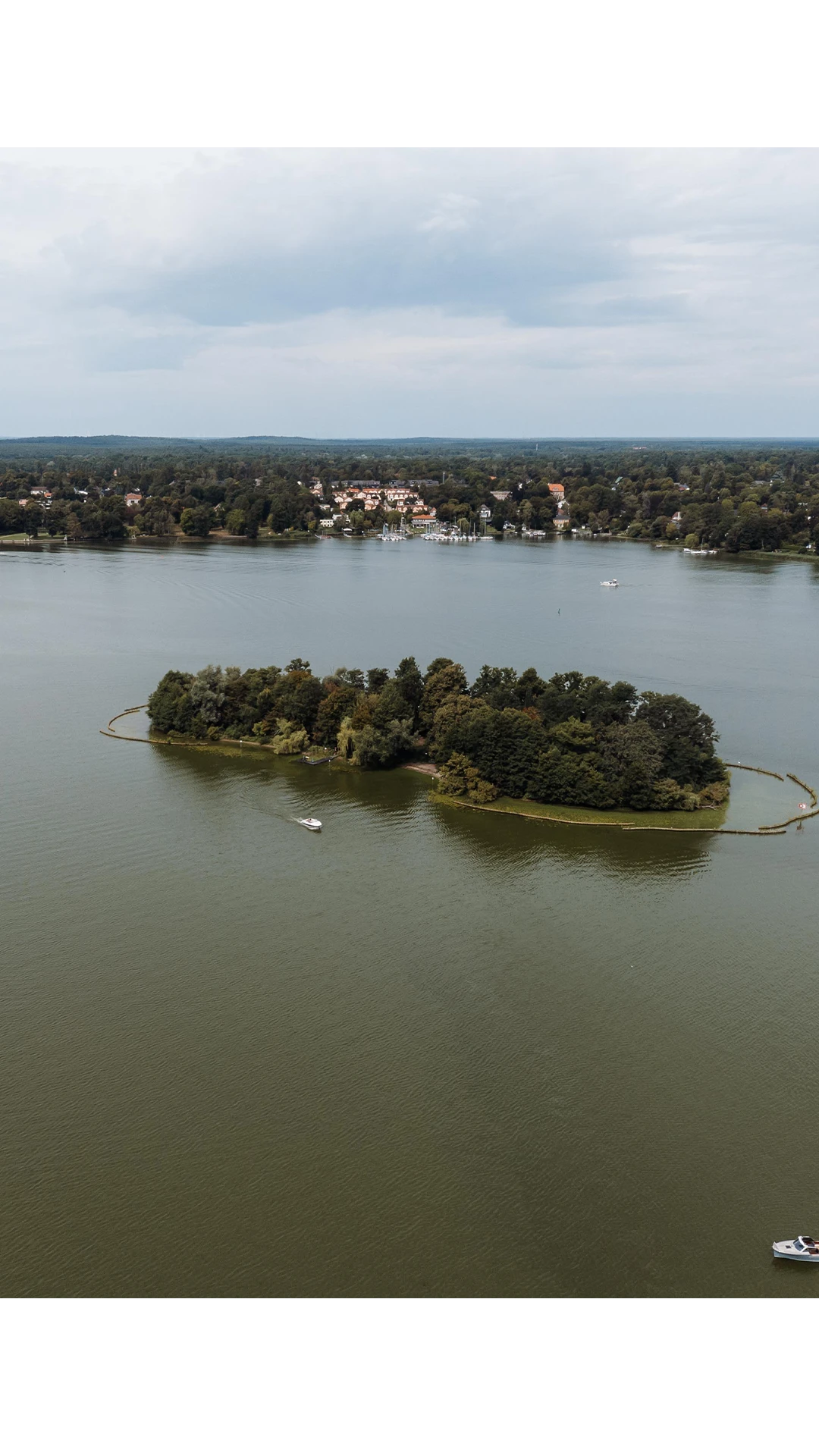
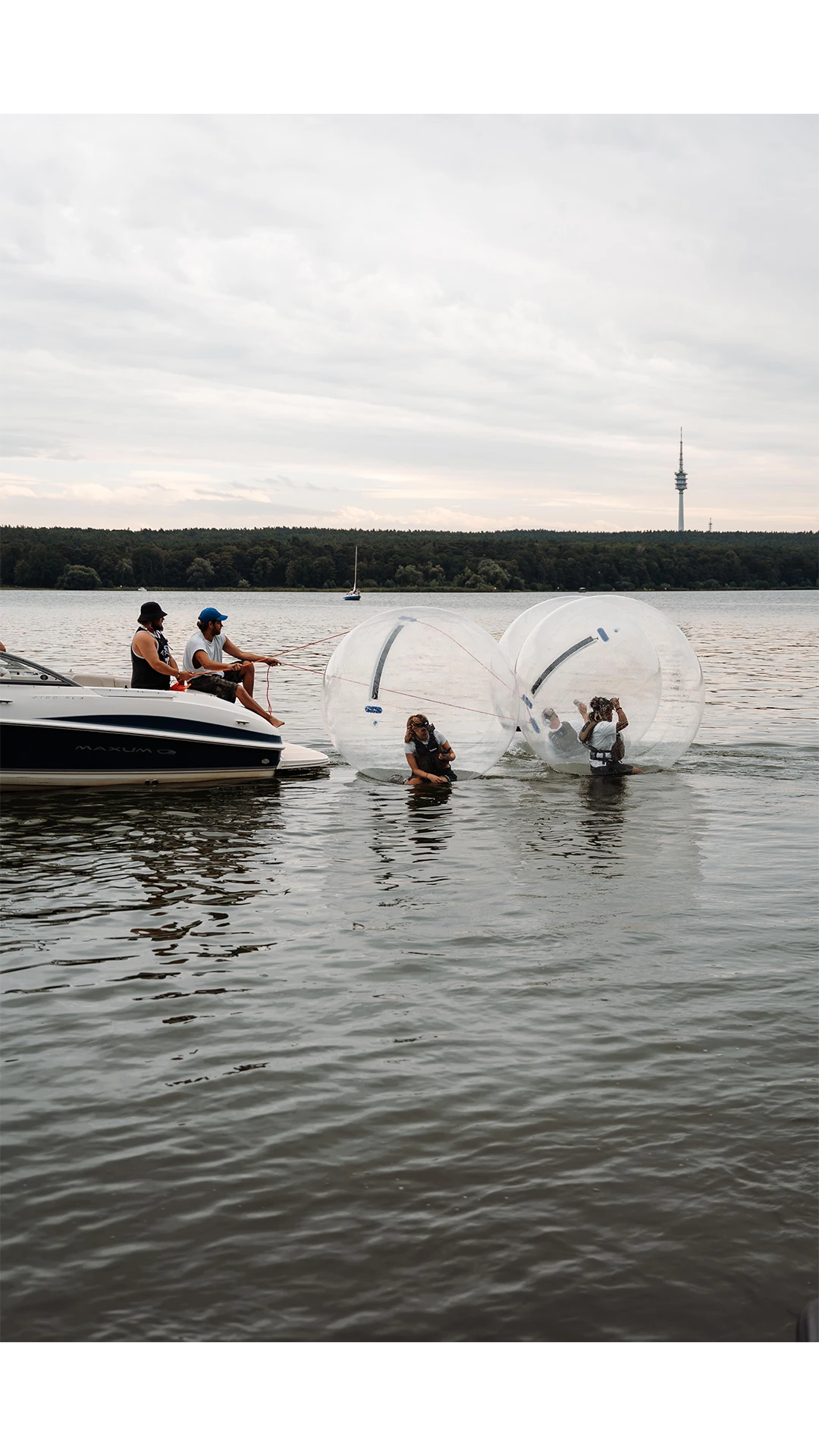
We flipped the sequence. Feasibility came before creative. The game developer joined before a concept existed, and we scouted the island with him - so the location wasn’t a constraint discovered late, it was an input from the first day. What a game could be was answered by the island before anyone wrote a game.
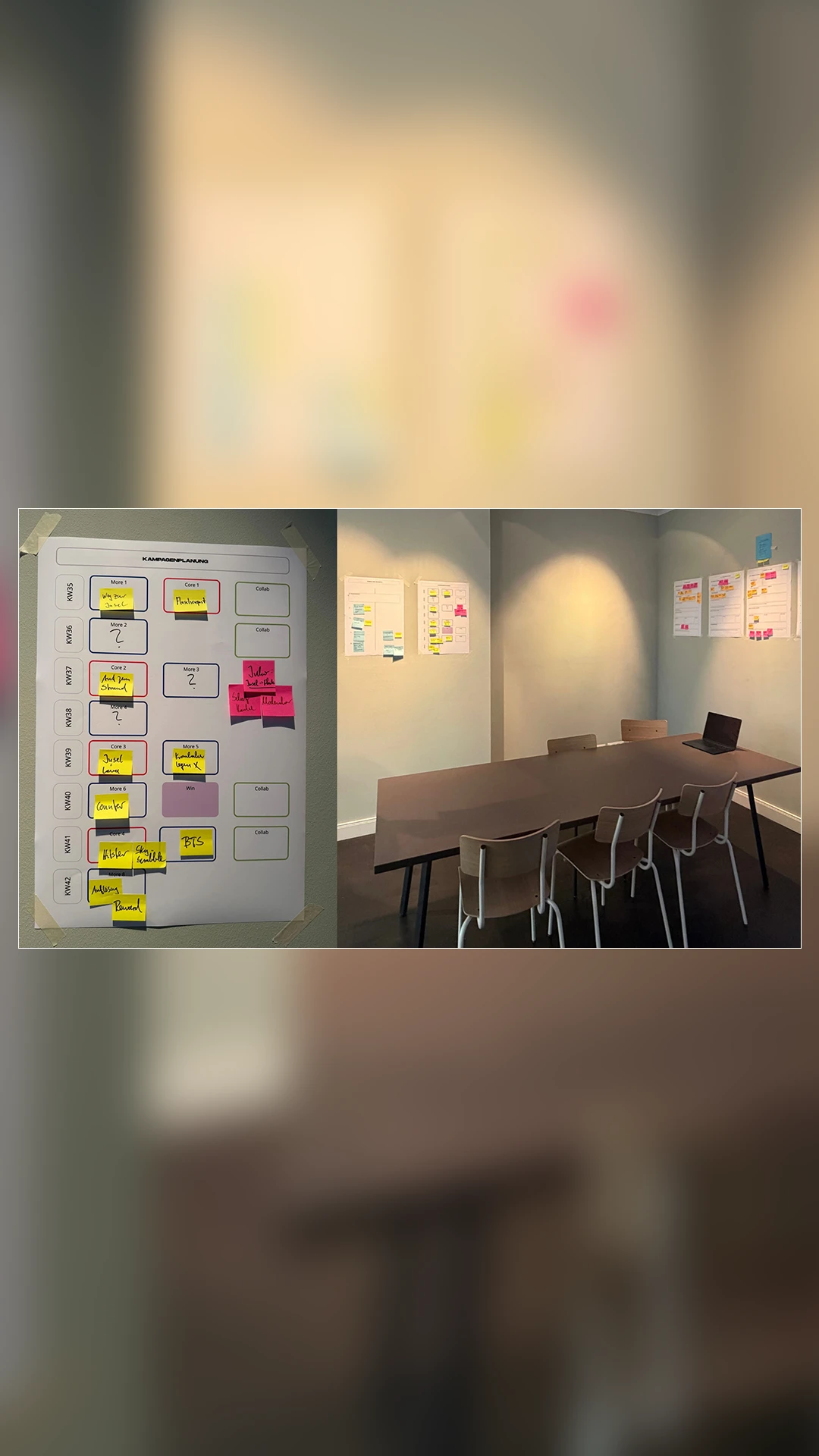
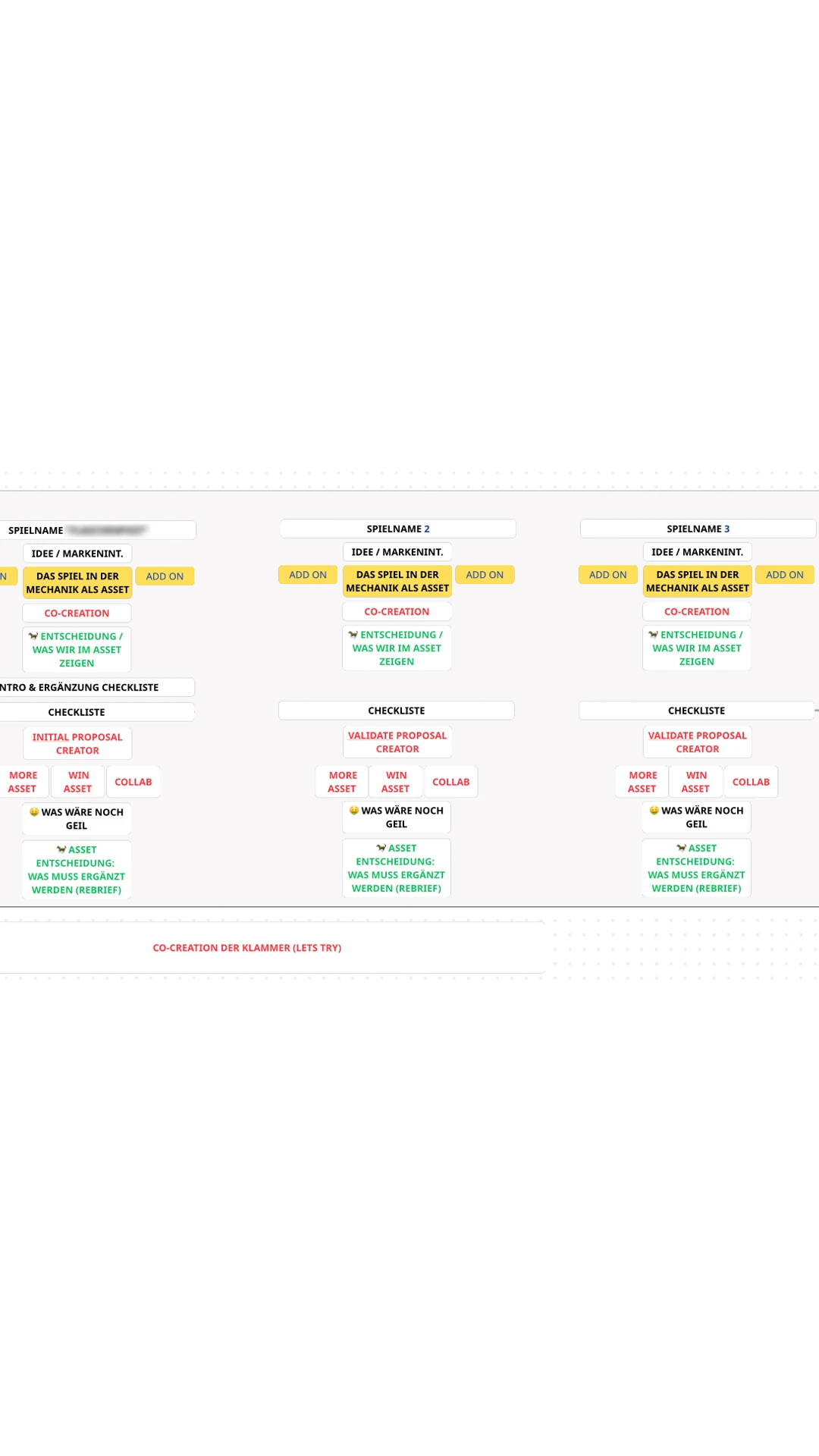
Then we built the working room differently, and we held it. Game development, creative and direction in one space, at one table, with the authority to decide. Twelve game concepts went in front of that room and came out as four in a single workshop - every concept measured against the same criteria: social first, playable on its own, readable in 30 seconds, brand integrated. Four hours in, the foundation was locked: four games that were producible on the island, on brand, and worked in the format.
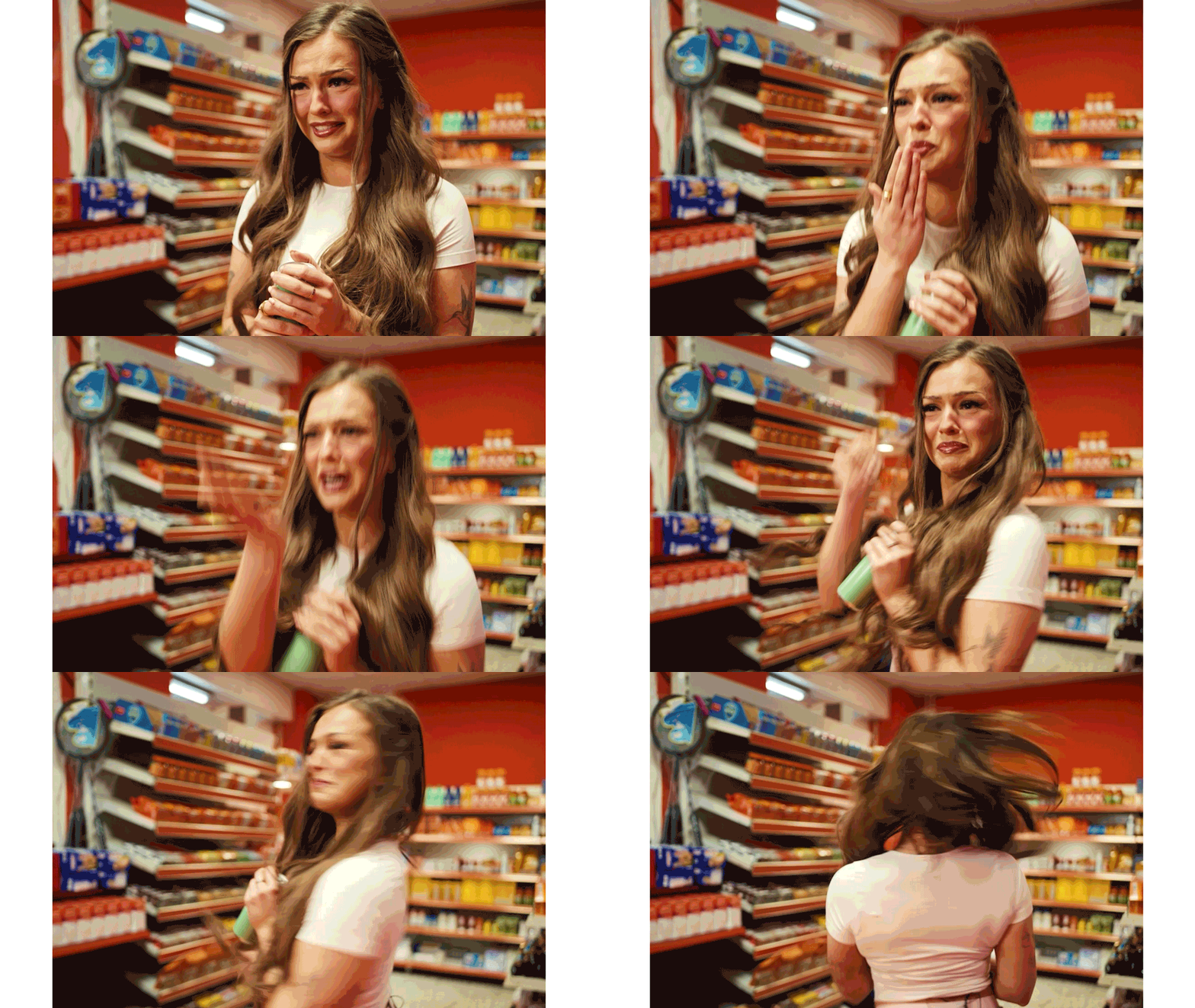
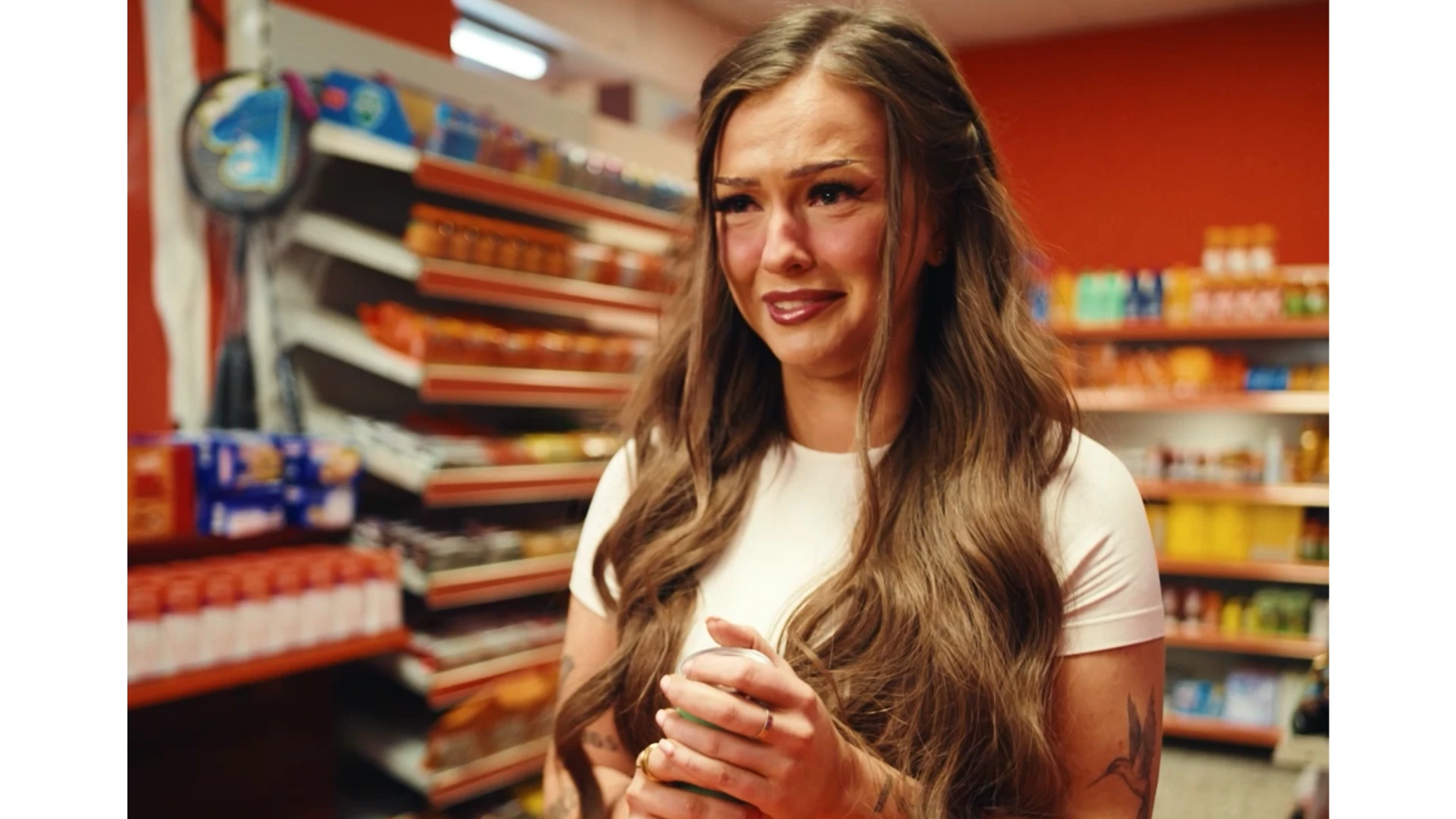
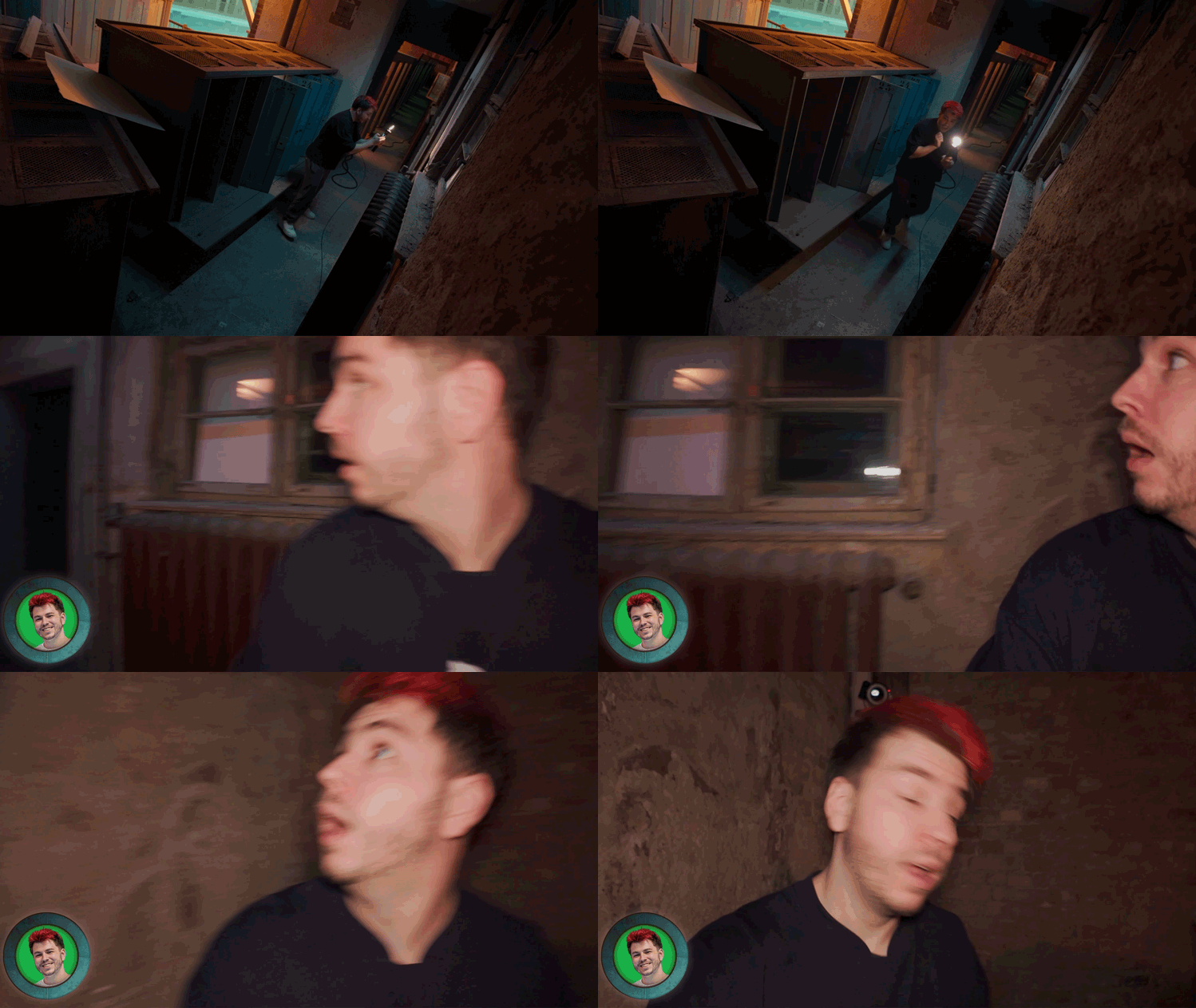
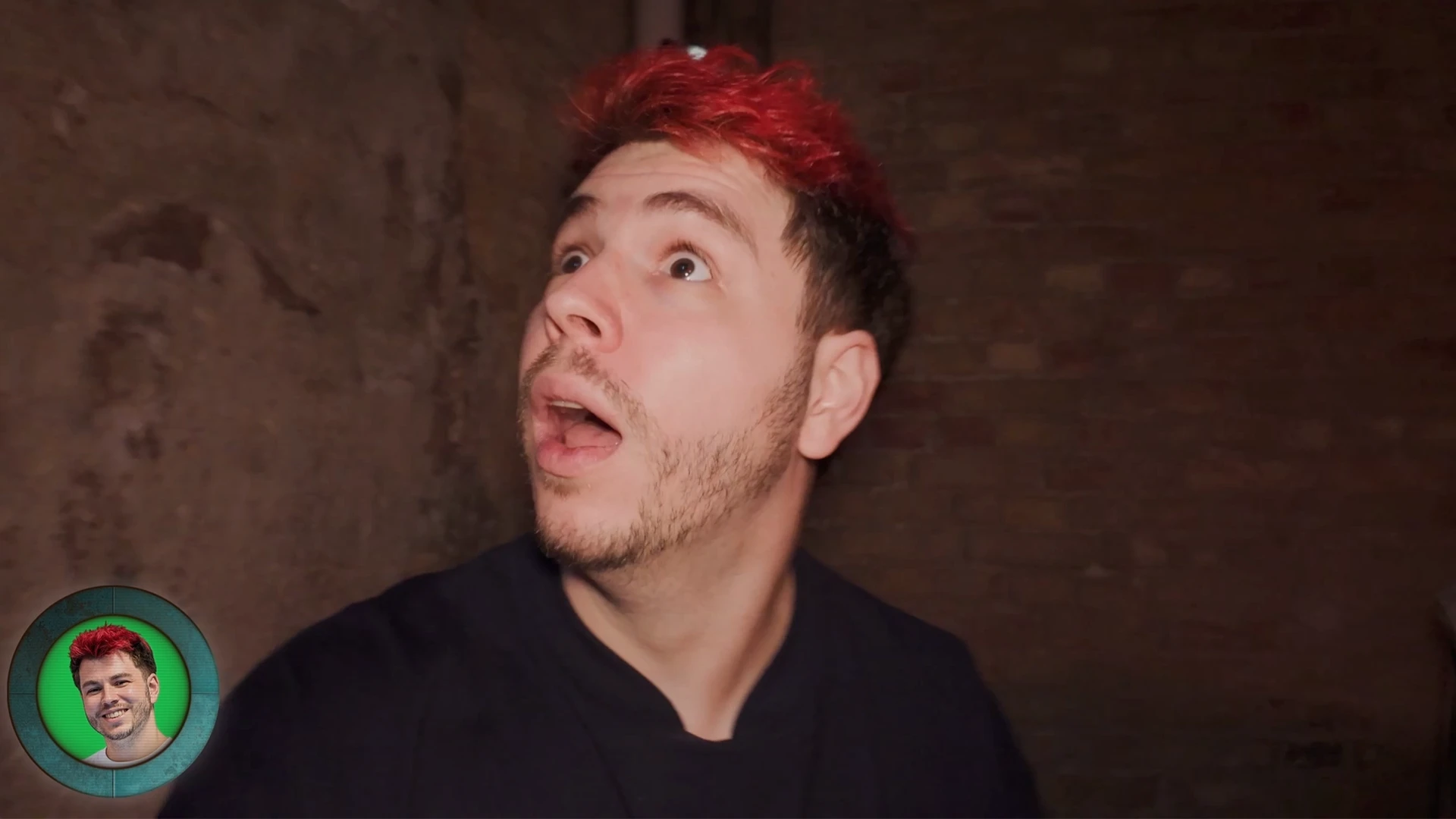
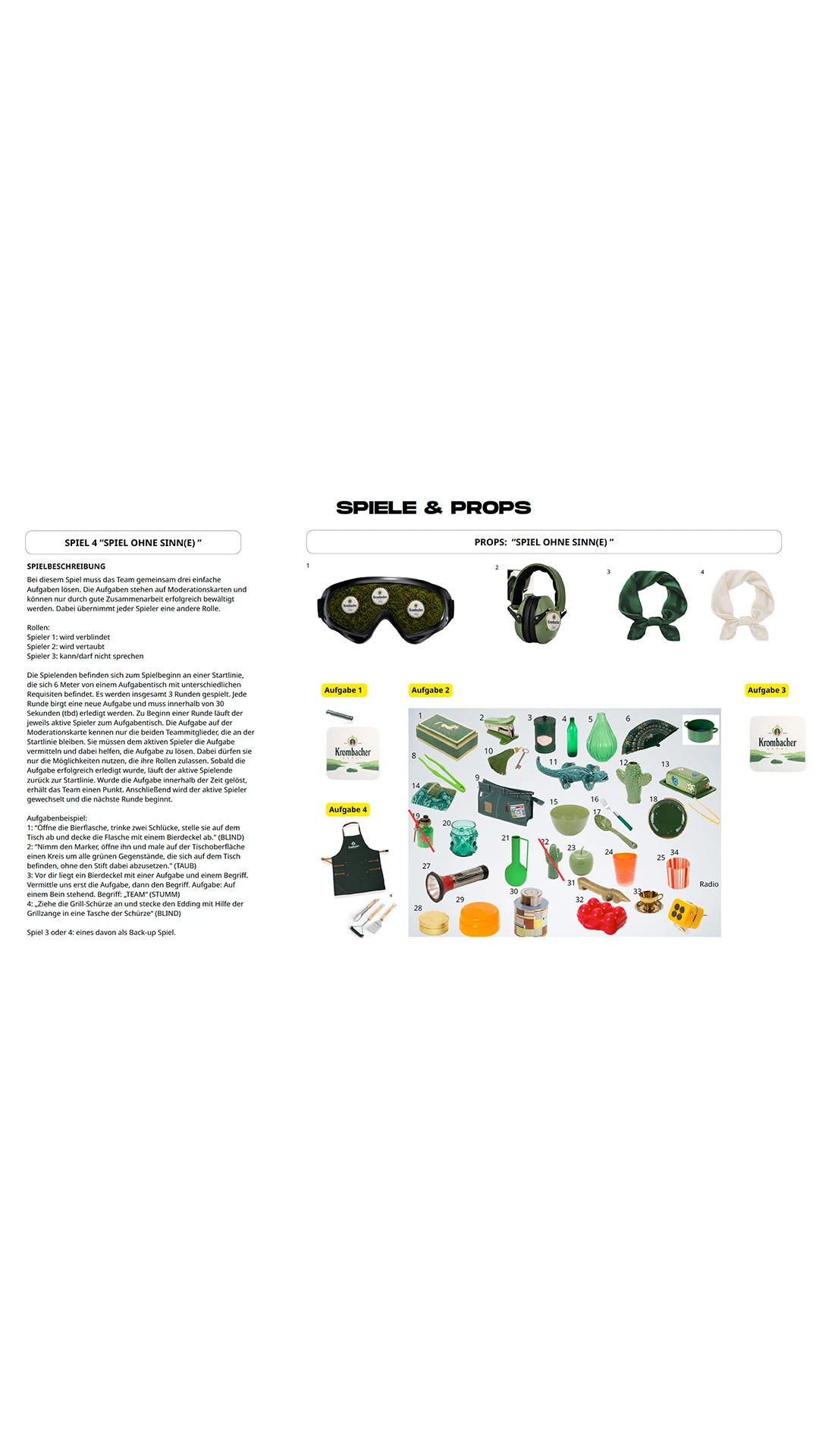
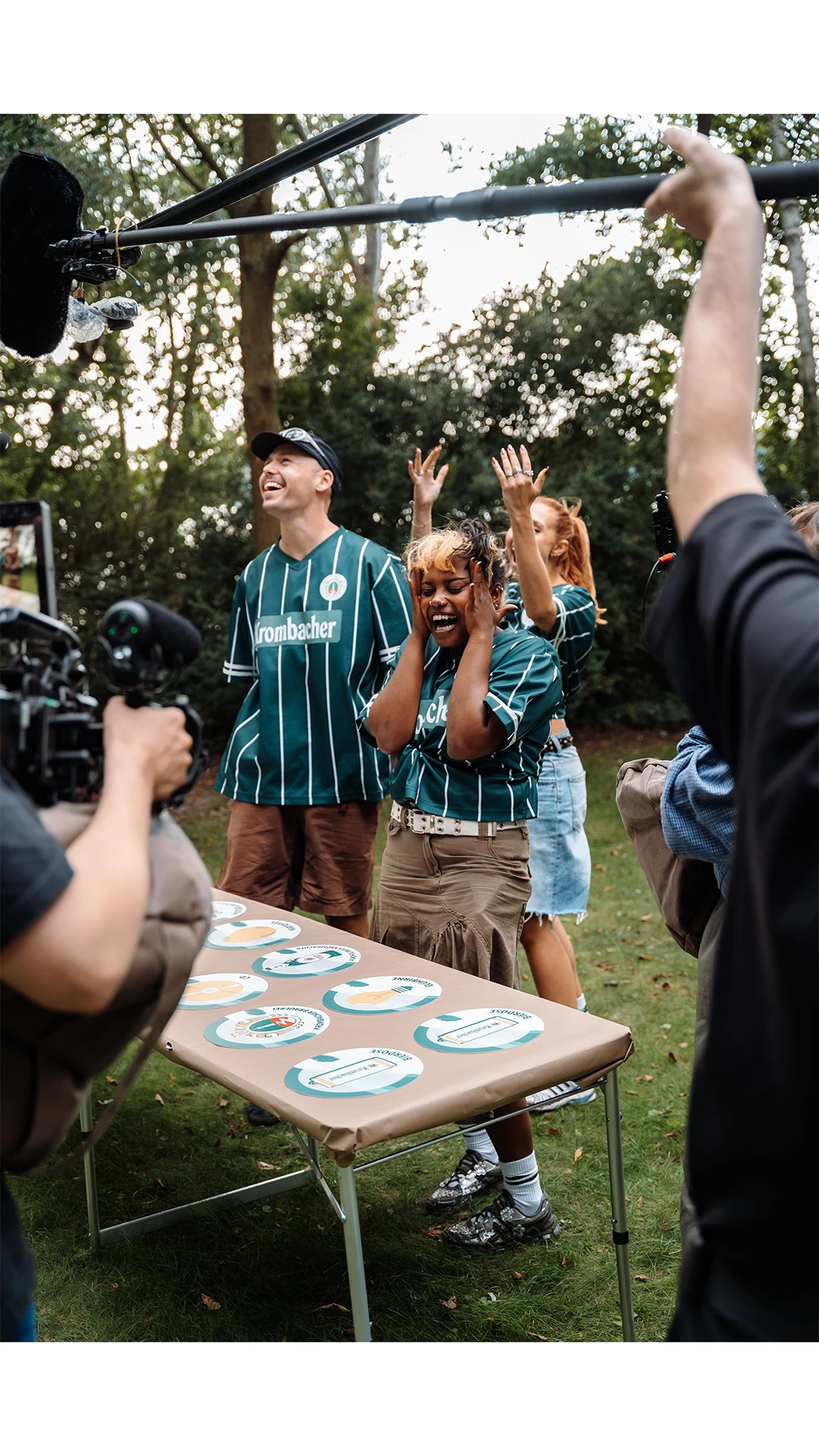
From there, nothing had to be renegotiated. Each game was specified down to roles, rounds, timings and props, with a back-up game held in reserve - decisions made while they could still shape the outcome instead of while they were already costing money. On the island, the games were played as designed.
Built as one integrated unit with Jung von Matt SPREE - a way of working tested together rather than defaulting to how it’s always been done.
The Output
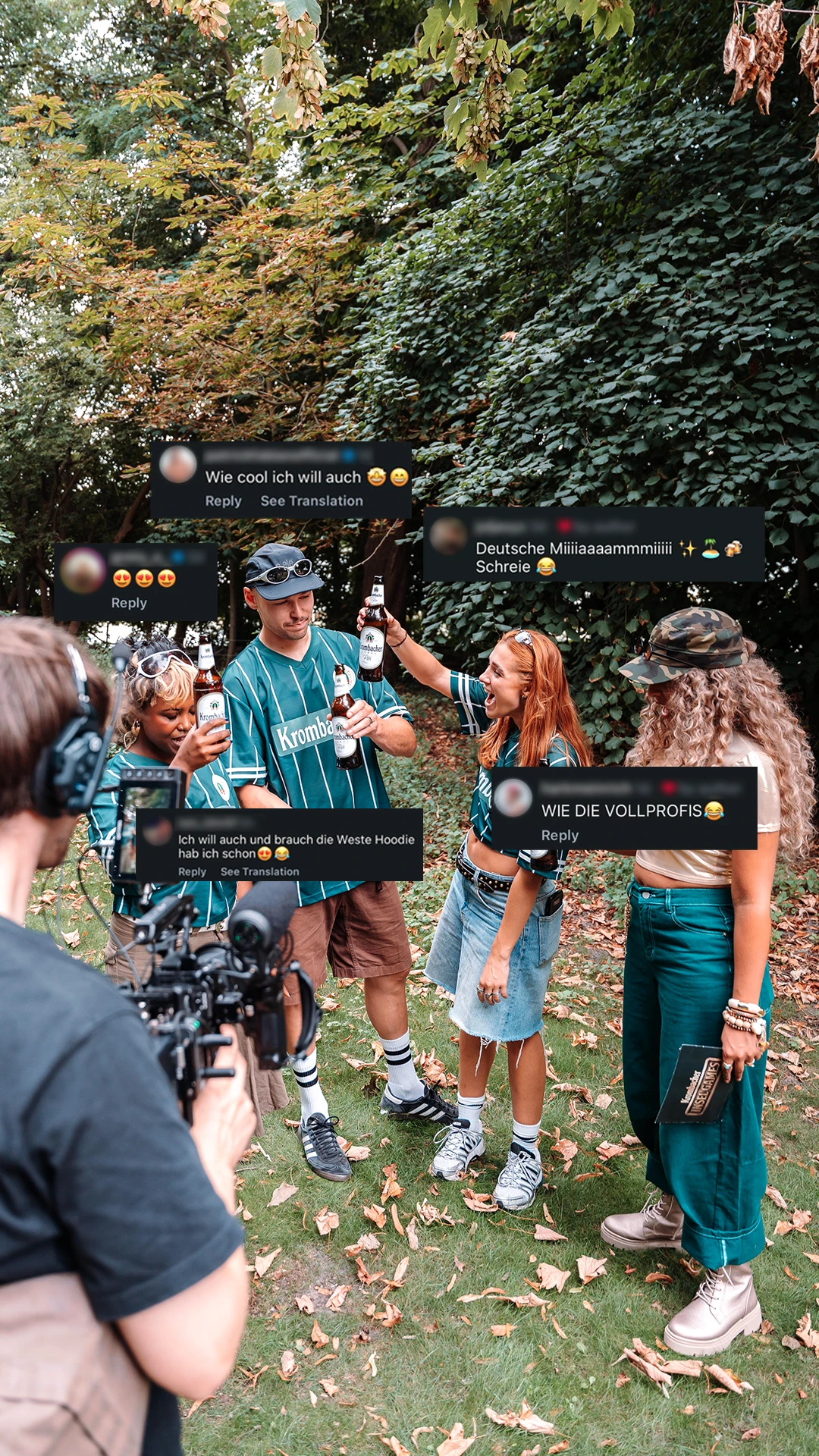
Four games, one island, one production - cut into long- and short-form assets for social. The number that matters sits upstream: twelve concepts to four locked games in a single workshop, four hours to a locked foundation. What that removed wasn’t production time. It was the loops - the rounds between idea and feasibility that never had to happen, because feasibility was in the room first.